Accelerator Staff
The Translational Data Accelerator brings together highly skilled technical, scientific, policy, and strategy staff with complementary expertise across engineering and platforms, data science, data governance, education and program strategy. This multidisciplinary team allows us to build scalable, responsibly governed, and democratized data resources that make complex data and modern computational approaches more accessible to the Fred Hutch research community.
Data Platform & Engineering
Our Data Platform & Engineering team builds and operates the infrastructure, applications, and data pipelines that power the Translational Data Accelerator. The team is responsible for securely integrating, processing, and delivering data while maintaining the reliability, performance, and security of the research data platform. Their work supports applications including Databricks, Atlas, and cBioPortal, providing researchers with scalable access to trusted data and computational resources.
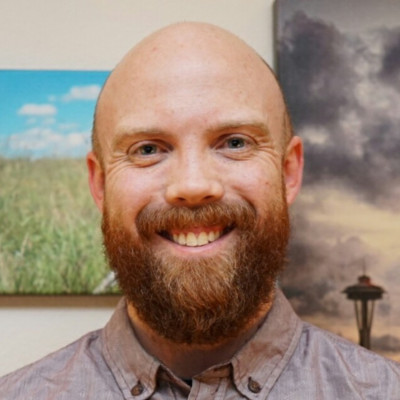
James Eddy
Senior Staff Scientist, Translational Technology
James provides strategic and technical leadership for the Accelerator’s engineering and platform work, guiding the development of scalable infrastructure, data systems, and technical capabilities that support translational research.

Jenn Bielak
Data Engineering Manager
Jenn leads the Accelerator’s Data Engineering team, overseeing the development of scalable, traceable, and efficient pipelines that bring clinical, research, and molecular data into CARDS. She guides engineering practices and delivery to ensure that data ingestion is reliable, maintainable, and designed to support growing translational research needs.
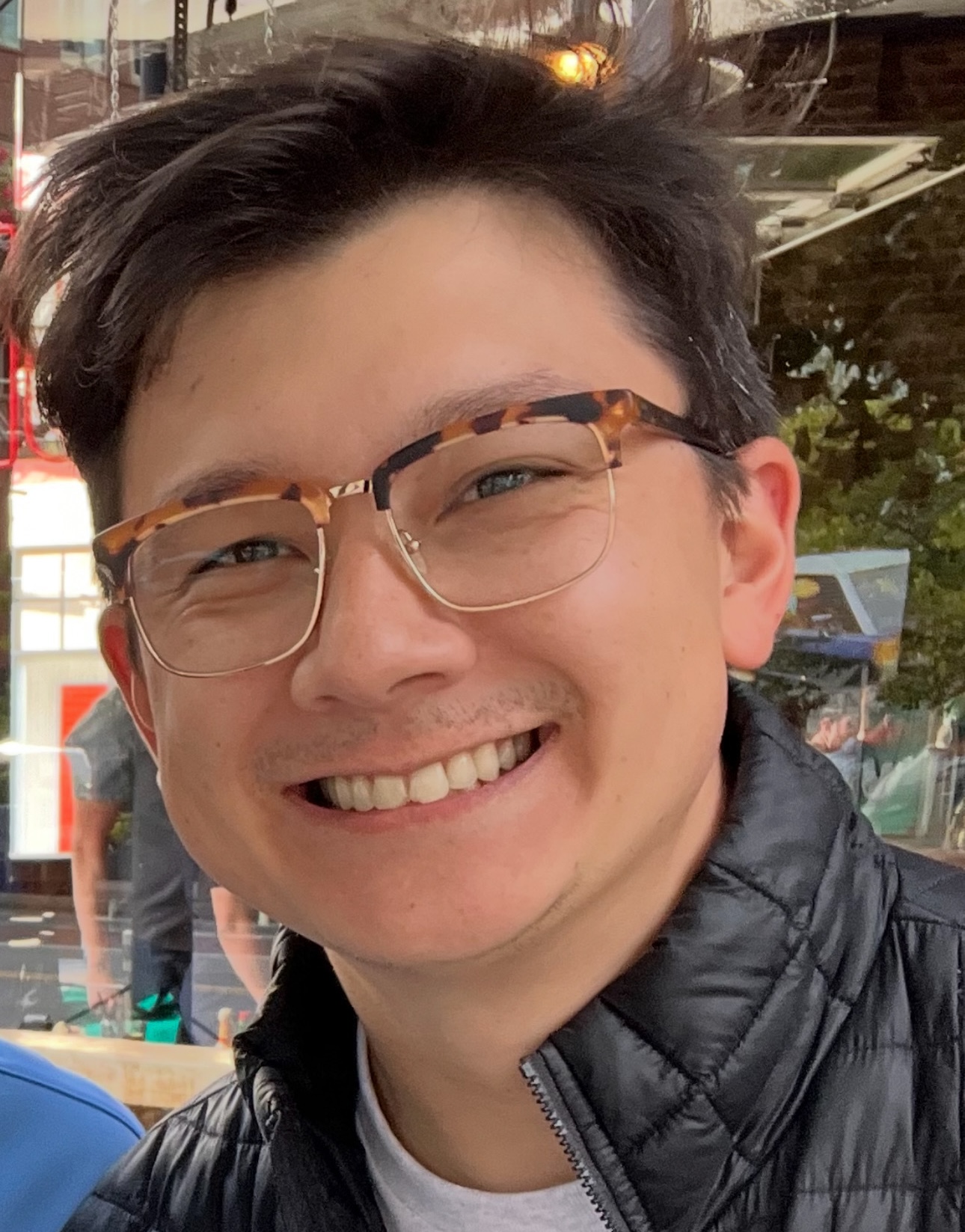
Josh Southam
Platform Architect
Josh leads the technical architecture and operation of the CARDS platform, including its cloud infrastructure and research applications. He owns the design and implementation of secure, scalable platform capabilities that support data access, analysis, and computational research across the Accelerator.

Sean Olmstead
Technical Project Manager
Sean is a Technical Project Manager for the Accelerator’s engineering team, coordinating work across platform and data engineering initiatives. He supports planning, prioritization, and delivery while helping coordinate work across Engineering, Data Governance, Data Science, and IT.

Chetan Chauhan
Data Engineer
Chetan develops and maintains data pipelines that bring clinical and research data into CARDS and transform it into reliable, research-ready resources. He contributes to the engineering systems and practices that make Accelerator data products scalable, traceable, and maintainable.
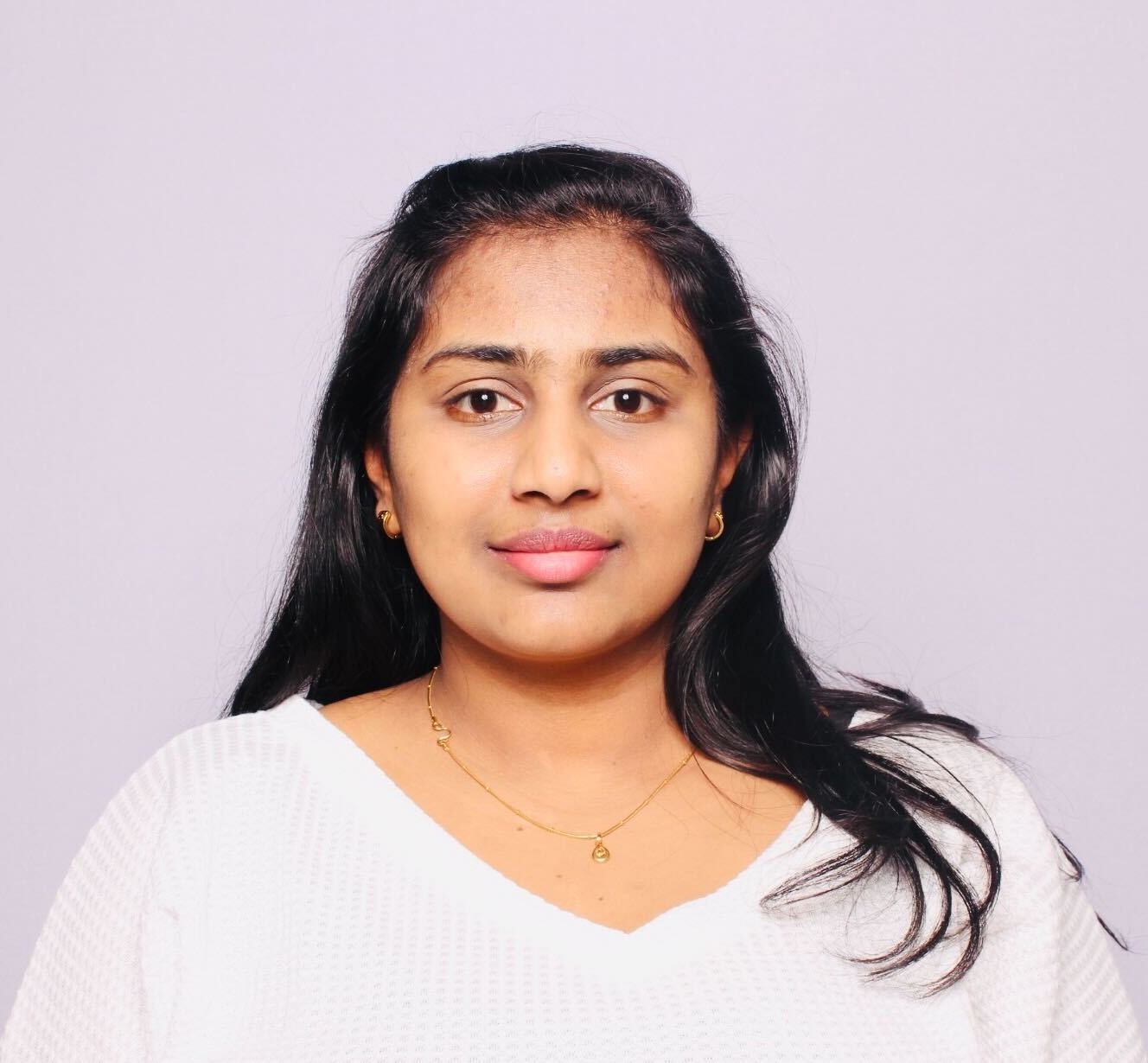
Sindiya Devi Thangavel
Data Engineer
Sindiya develops and maintains data pipelines that integrate and transform clinical and research data for use across CARDS. Her work helps ensure that Accelerator data resources are reliable, reproducible, and available for downstream research and analytics.

TBD
Senior Data Engineer
This senior data engineer will develop and maintain core engineering systems and practices that make Accelerator data products scalable, traceable, and maintainable.
Data Science
Our Data Science team develops the data models, analytical datasets, and AI-enabled capabilities that help researchers turn data into discovery. Working across clinical, molecular, and multimodal data, the team maintains research-ready data products, supports translational research initiatives, and develops methods that enable reproducible and scalable scientific analysis. Their work powers resources such as the OMOP Common Data Model, the Fred Hutch Molecular Oncology Data Model, and the analytical capabilities available through our research applications.
Sitapriya Moorthi
Staff Scientist, Data Science
Sita provides strategic and scientific leadership for the Accelerator’s data science work, guiding how analytical methods, data products, and AI and machine learning approaches are developed and applied to address translational research needs.
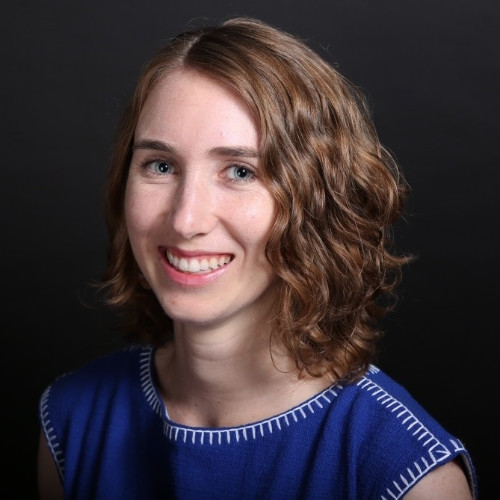
Monica Gerber
Data Science Manager
Monica leads the Accelerator’s Translational Analytics efforts, guiding the development of standardized clinical data resources, including the OMOP Common Data Model, and directs analytic work supporting research in cohort development, data quality assessment, and guidance for study execution. She partners with investigators to make complex clinical data accessible and reliable for observational health research in oncology.
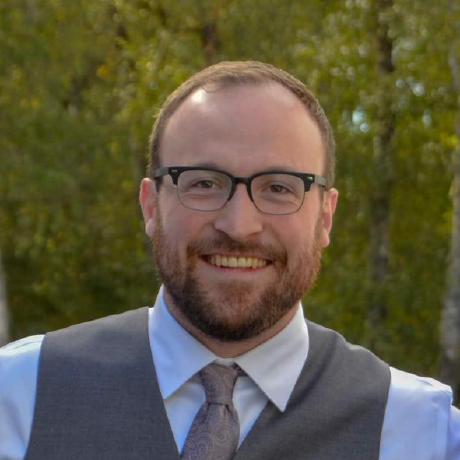
Taylor Firman
Data Scientist
Taylor leads the Research Informatics effots, guiding its work on Databricks data science use cases, the Fred Hutch cBioPortal instance, and the Molecular Oncology Dataset (MOD). Taylor also works directly with researchers on cBioPortal uploads and Databricks consulting across bioinformatics, genomics, and machine-learning applications.
TBD
Senior Data Scientist
We’re looking for a Senior Data Scientist to join our team.
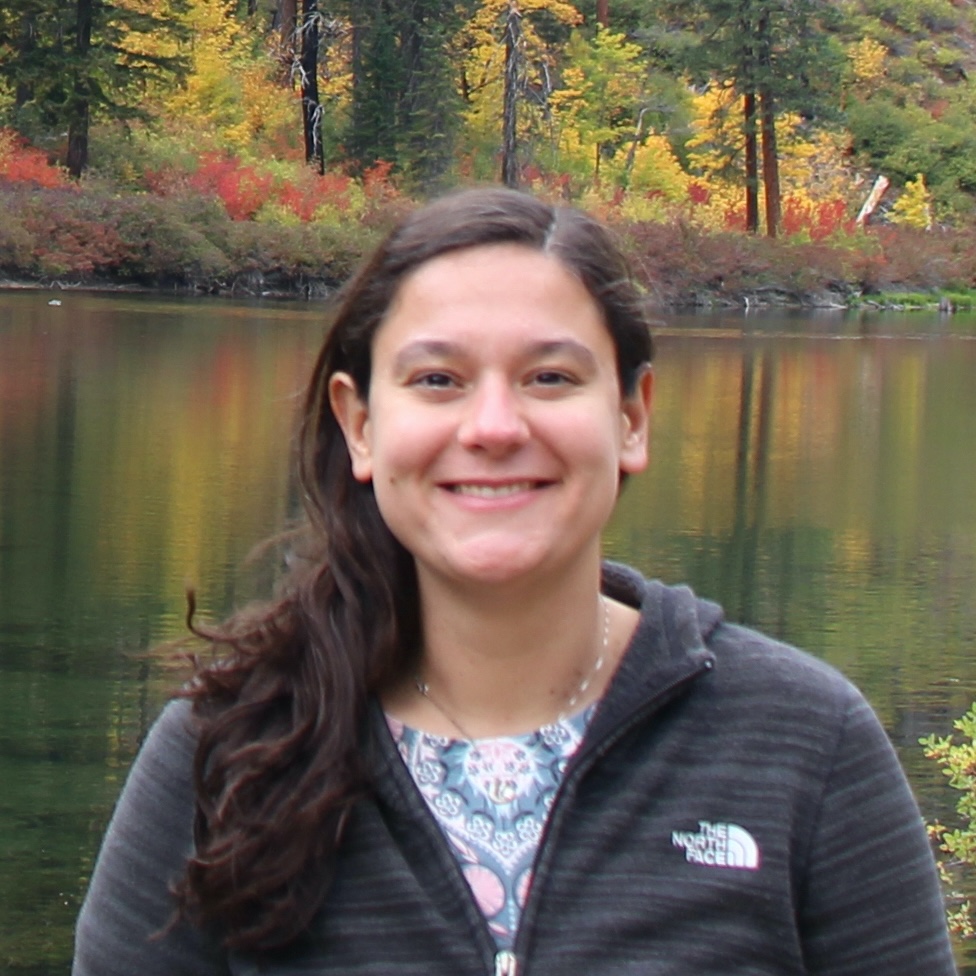
Megan Stachura
Analytics Engineer
Megan designs, builds, and maintains the data transformations that populate the Fred Hutch OMOP Common Data Model, mapping clinical source data to standardized vocabularies and structures. She implements data quality testing and documentation to deliver reliable, reproducible datasets that support observational and translational research.
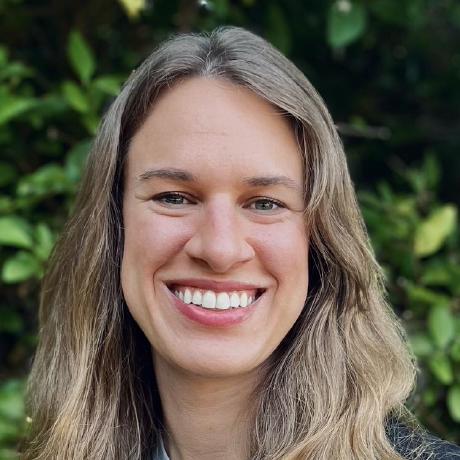
Emma Bishop
Data Scientist
Emma uses her bioinformatics and data science expertise to help researchers get the most out of CARDS. She assists with Databricks uses cases and supports cBioPortal and the Molecular Oncology Dataset (MOD).
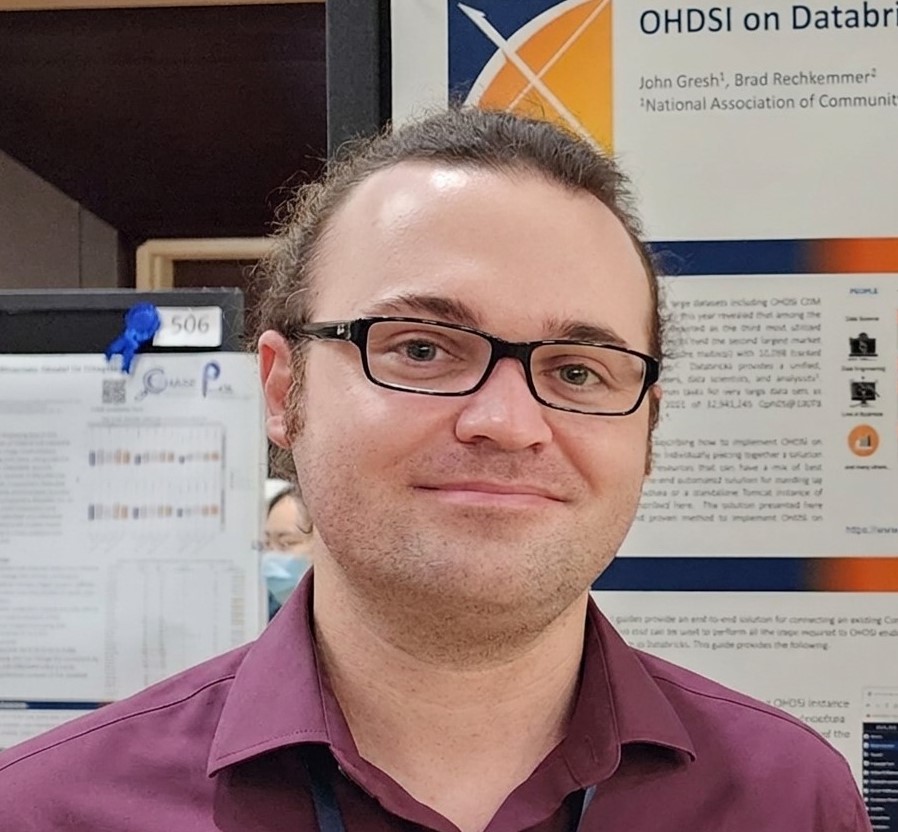
Brad Rechkemmer
Data Scientist
Brad works with researchers and data users to ensure that the Fred Hutch OMOP Common Data Model supports real-world translational research needs. He helps evaluate and improve how clinical data are represented in OMOP and conducts analyses using the model, connecting scientific use cases with the continued development of the data model.
Data Governance
Our Data Governance team enables the responsible use of clinical and research data by developing policies, stewardship practices, and access processes that balance scientific opportunity with privacy, security, and regulatory requirements. The team works closely with researchers and institutional partners to reduce barriers to data access while ensuring that sensitive data are used appropriately, ethically, and in accordance with institutional standards.
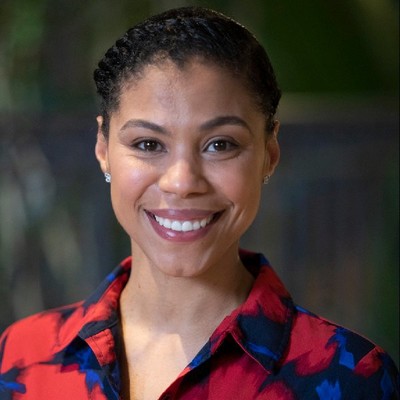
Ty Lambert
Senior Translational Data Governance Specialist
Ty provides strategic leadership on data governance for the Accelerator, ensuring translational data and AI are used responsibly and in line with institutional and regulatory requirements. She builds practical governance frameworks that make it easier for researchers to access and use high-value data securely.
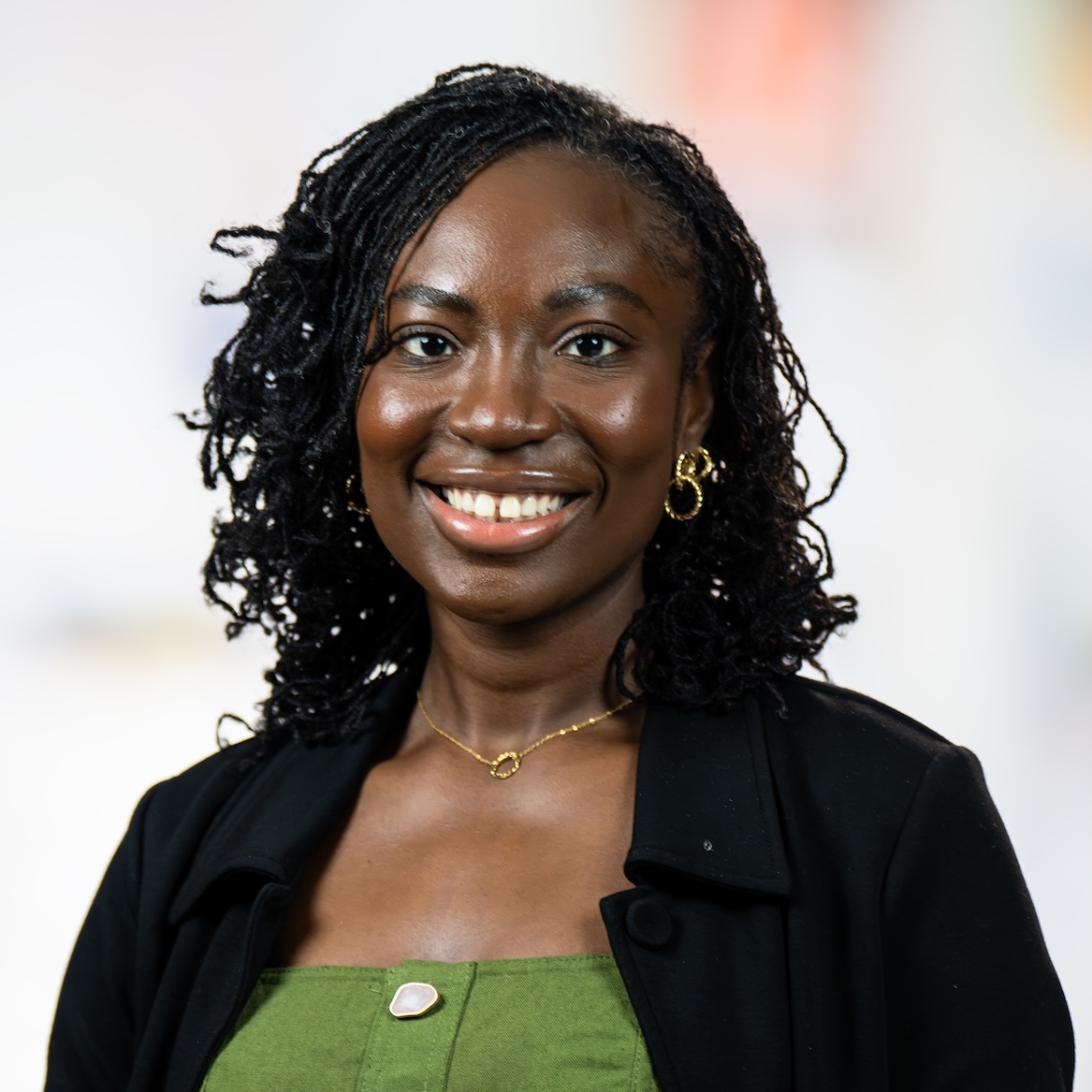
Abby Karikari
Translational Data Governance Specialist
Abby leads data governance and stewardship for the Accelerator, guiding investigators through IRB and data access requirements to ensure responsible, auditable use of translational data. She develops governance frameworks and authorization workflows, chairs the Research Data Stewardship Forum and other Accelerator stewardship groups.
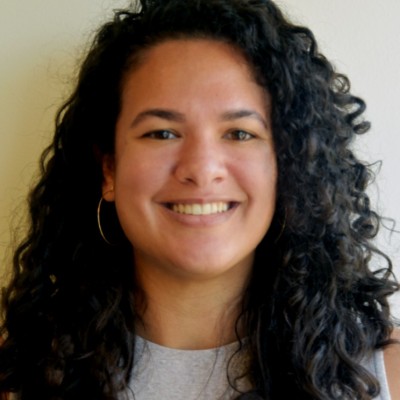
Gina Fonseca-Crescioni
Translational Data Governance Specialist
Gina oversees healthcare and research data access, honest-broker processes, and PHI governance to enable compliant use of clinical data across quality improvement, operations, and research initiatives. She manages access provisioning, audit workflows, and readiness assessments, and advises on de-identification and the distinction between QA/QI and research data pathways.
Training & Enablement
Our Training & Enablement team provides comprehensive education and support to researchers and data users, ensuring they can effectively leverage the Accelerator's tools and resources for translational research. The team develops training materials, conducts workshops, and offers ongoing support to facilitate the adoption of best practices in data utilization.
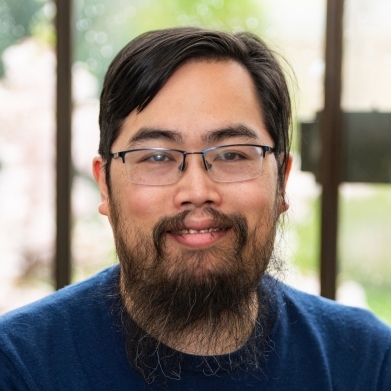
Ted Laderas
Director of Training & Enablement
Ted leads the Accelerator’s Training efforts, overseeing the development and delivery of educational programs and resources that empower researchers to effectively use the Accelerator’s data and tools. He ensures that training initiatives align with the needs of the research community and support the responsible use of data.
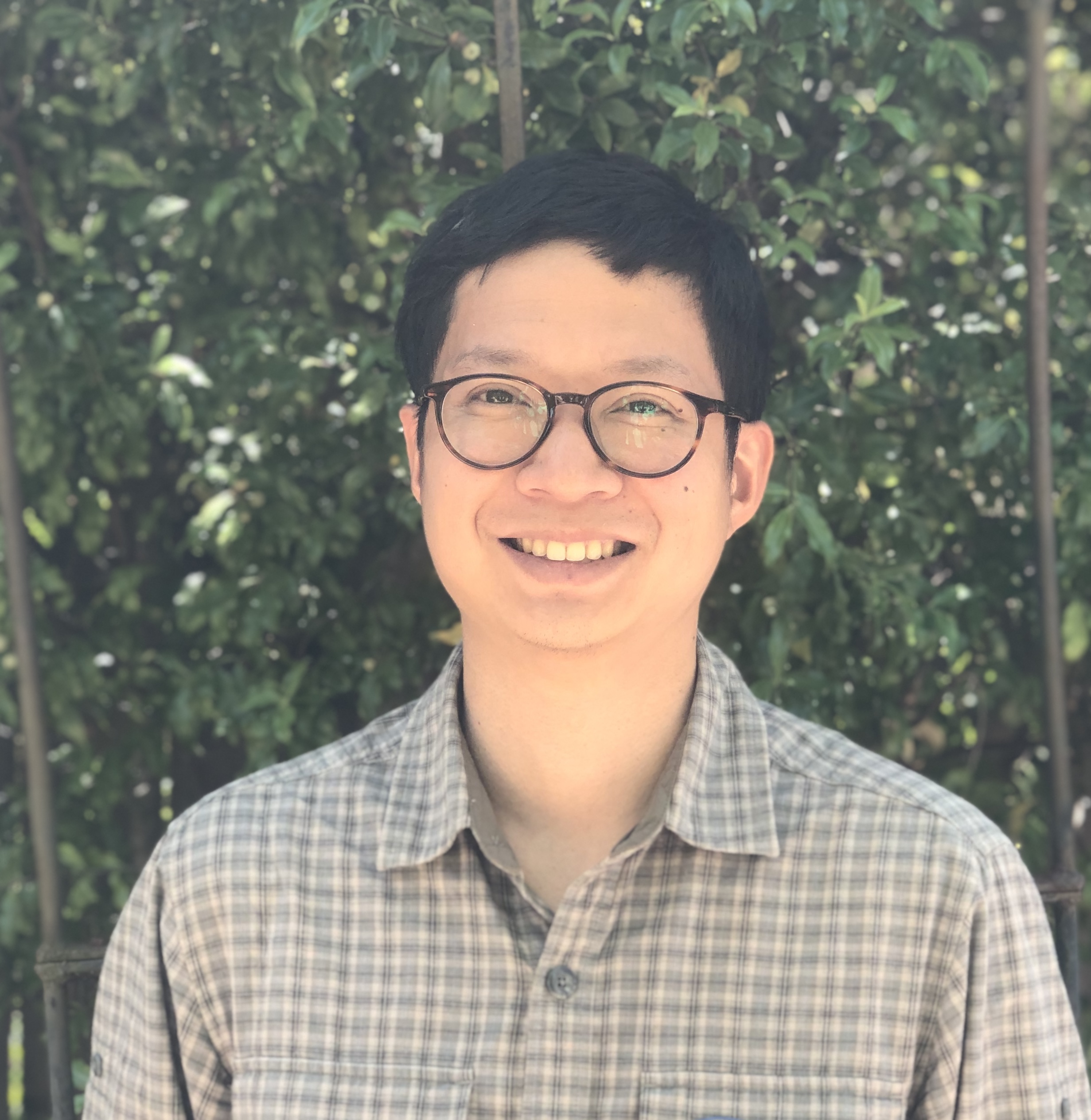
Chris Lo
Data Science Trainer
Chris is a data science trainer at the Accelerator, providing education and support to researchers on using data effectively for translational research. He develops training materials and conducts workshops to help researchers leverage the Accelerator’s tools and resources.
Leadership and Strategy
Our leadership & strategy staff sets the direction for the Accelerator and connects its technical, scientific, and governance capabilities to institutional and translational priorities. The team leads program strategy, partnerships, operations, and cross-functional coordination needed to turn individual capabilities into sustainable institutional resources.
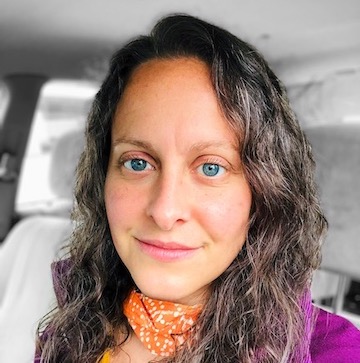
Amy Paguirigan
Associate Vice President, Translational Data Accelerator
Amy leads the Translational Data Accelerator, setting its overall strategy and bringing together data science, engineering, governance, for collaborations with translational leadership at Fred Hutch, to build scalable data resources for translational research. She works across Fred Hutch to align the Accelerator’s capabilities with translational priorities and expand responsible, democratized access to data, analytics, and AI.
Maria Owen
Program Administrator, Data Governance & Strategy
Maria supports the coordination and implementation of the Accelerator’s collaborative programmatic initiatives, helping maintain alignment between the needs of translational leadership priorities and the Accelerator’s technical, scientific, and governance capabilities. She manages program operations, strategic advisor engagement, inter-institutional communications and cross-functional coordination to ensure that Accelerator resources are effectively tailored to the needs of Fred Hutch.
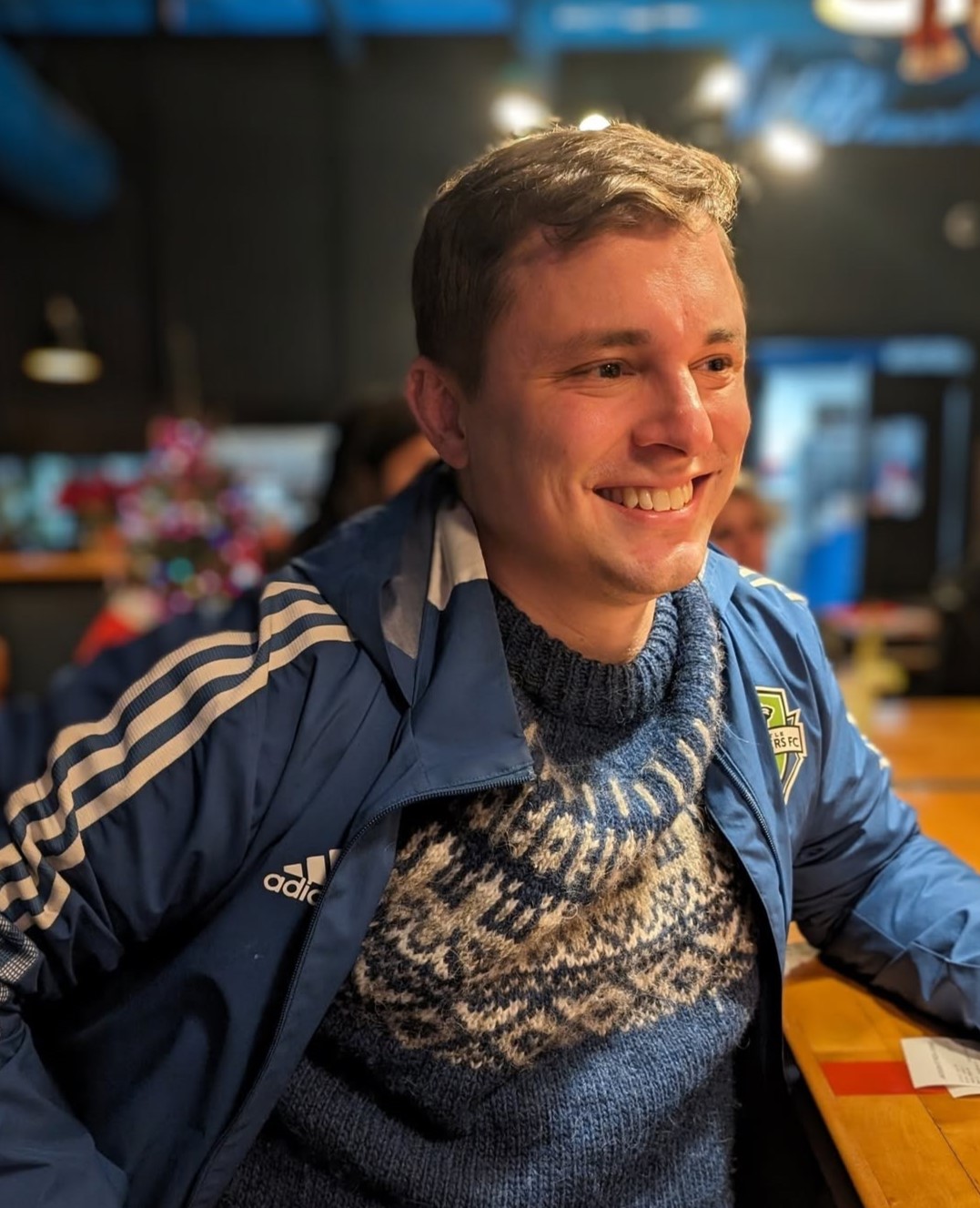
Russell Eberts
Administrative Manager
Russell supports the day-to-day operations of the Accelerator, providing administrative coordination across the team’s collaborative work. He manages team communications, including newsletters and other outreach, coordinates training and engagement events, and provides operational and administrative support that helps Accelerator programs and collaborations run smoothly.