The Translational Data Accelerator (TDA) advances translational research at Fred Hutch Cancer Center by reducing the technical and policy barriers to using sensitive data effectively. Our goal is to accelerate data driven discovery via self-service data exploration applications, reliable data models, multimodal datasets and AI enabled data science tools. We aim to enable staff across clinical trials, clinical research, and laboratory sciences to spend less time overcoming technical or policy barriers and more time advancing science.
The Translational Data Accelerator is responsible for the infrastructure, data products and data governance processes that support translational science, including:
- The translational data platform including its infrastructure and data access applications
- Trusted, governed modeled data products, analytic datasets and research archives
- Data governance policies, process, stewardship supports, and workflows enabling (re)use of these data
- AI and LLM enablement via technology and governance supports for responsible use of AI in our work and research
Our Team
The Translational Data Accelerator brings together expertise in data engineering, research technology, data science, data governance, training, and program strategy to reduce the barriers between data and discovery. Our multidisciplinary team works across the full lifecycle of translational data, from building secure research infrastructure and integrating complex data, to developing research-ready data products, enabling responsible data and AI use, and helping researchers build the skills to put these resources into practice.
Our team includes Data Platform & Engineering, Data Science, Data Governance, Training & Enablement, and Leadership & Strategy, working together to build sustainable data resources and make them accessible and useful to the Fred Hutch translational research community.
Meet the Accelerator Team.
Our Resources
Our Data
The Translational Data Accelerator develops and maintains trusted data models that make clinical and molecular data easier to discover, analyze, and share for research. These models are built from raw data we ingest from a variety of sources to support the diverse data needs of our translational data community.
Our Applications
The Translational Data Accelerator provides a suite of applications that support researchers with varying levels of technical expertise and through the different stages of the translational research lifecycle.
Our Support
Our team hosts a variety of support resources for translational researchers, from Data House Calls, to regular Data Deep Dive workshops, to data extract or workflow building requests to direct consulting projects.
Our Values
“Culture eats strategy for breakfast.” In our group we believe that a strong, inclusive culture is essential to achieving our mission. Our core values reflect this commitment, fostering an environment where respect, curiosity, and collaboration drive innovation.
Our Strategic Priorities
The Accelerator organizes its work around four areas that connect translational priorities with scalable data, technology, governance, and data science capabilities. Each strategic priority has an identified faculty or executive leader who helps shape priorities and guide the portfolio as it develops.
1. Clinical Trials
Goal: Improve the use of clinical and research data across the clinical trials lifecycle, beginning with capabilities that support trial enrollment, operational data access, quality control, and oncology-specific trial support.
2. Precision Oncology
Goal: Build integrated data resources that connect molecular, clinical, and biospecimen data to accelerate precision oncology research and enable broader reuse of high-value research datasets.
3. Disease-Focused Translational Data Programs
Goal: Partner with disease programs to develop reusable data resources, infrastructure, and analytical capabilities tailored to their scientific priorities, while identifying approaches that can be standardized and scaled across programs.
4. Democratized Data Science & AI
Goal: Expand access to governed data, computing, machine learning, and AI capabilities so that Fred Hutch investigators and research teams can execute sophisticated data science projects without needing to independently build the underlying infrastructure.
Our Guiding Principles
Our approach to supporting Fred Hutch staff focuses on the following guiding principles.
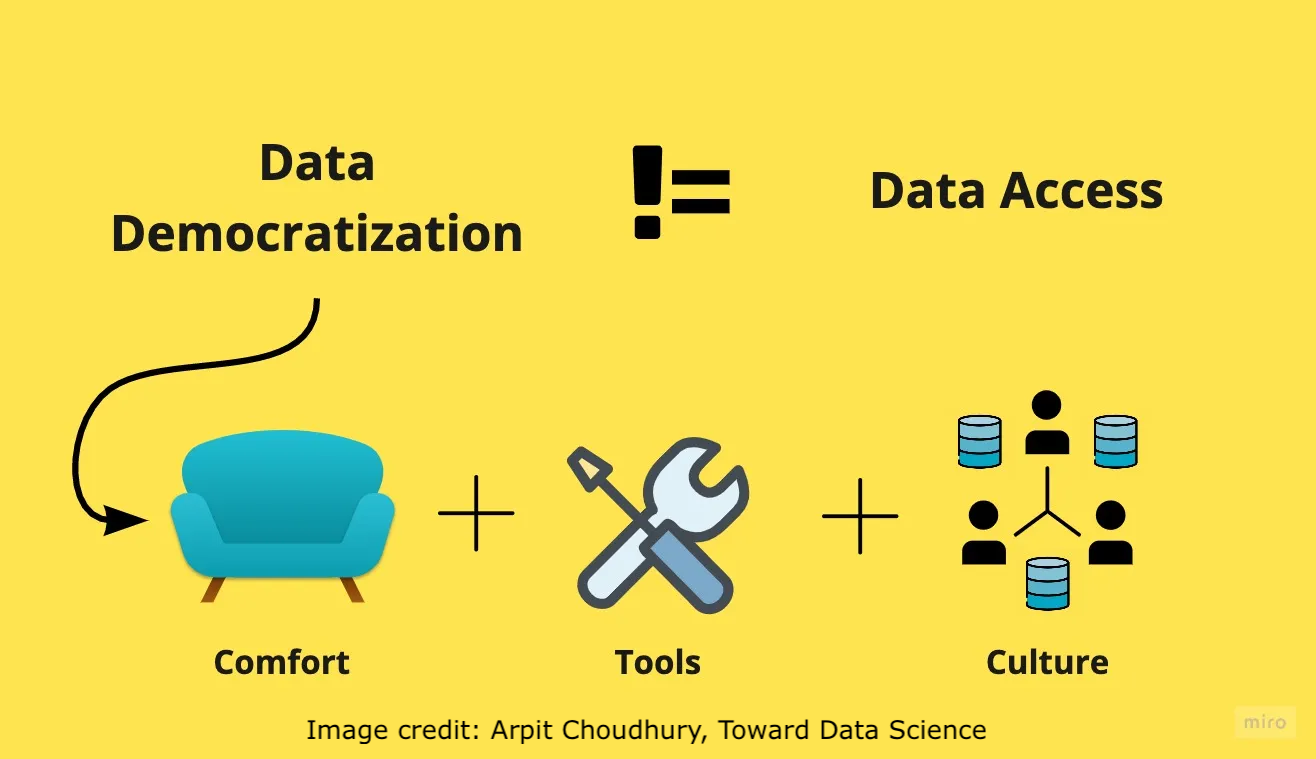
Prioritize Data Democratization and Ethical Data Stewardship
We are committed to data democratization - making it accessible, understandable, and actionable for everyone in our organization, regardless of technical expertise. Through intuitive tools and a culture of ethical data stewardship, we ensure data serves as a driving force for innovation and responsible decision-making across healthcare and research.
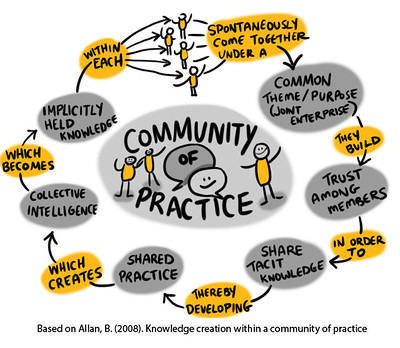
Build, Foster and Empower Data Communities of Practice
We are dedicated to building and supporting data-related communities of practice that span the Fred Hutch, from the clinic to the research labs. By providing shared platforms, tools, open documentation, training and peer-to-peer programs, we empower our teams to collaborate, share knowledge, and establish best practices that drive innovation in their fields.